
Introduction
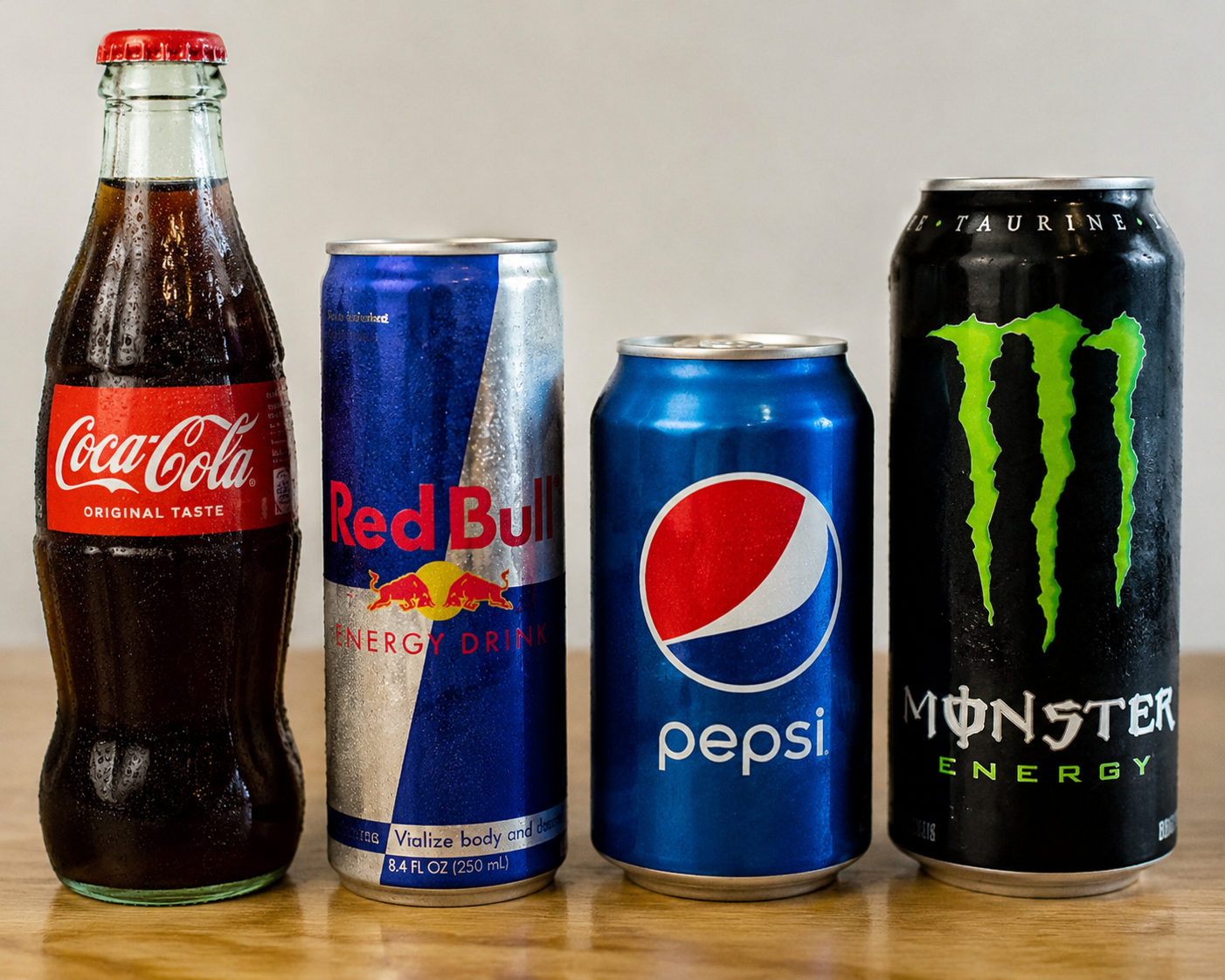
Walk into almost any convenience store, gas station, gym vending machine, or gaming lounge anywhere in the world today, and you’ll find the same thing: a wall of brightly colored cans promising focus, stamina, and a jolt of alertness. Energy drinks have quietly become one of the most resilient categories in the entire beverage industry, and 2026 is shaping up to be one of its most dynamic years yet. wholesale energy drinks
What started decades ago as a niche category, largely built around a handful of taurine-and-caffeine formulas from Europe and Asia, has exploded into a global phenomenon worth well over $100 billion. New flavors launch almost monthly. New brands chase Gen Z’s attention on social media. And retailers everywhere, from independent corner stores to major supermarket chains, are scrambling to keep the right mix of products in stock.
For anyone running a retail shop, distribution business, or online store, the question isn’t whether to carry energy drinks. It’s which ones, in what quantities, and from which energy drink supplier you can actually trust to deliver consistent quality at fair pricing. That’s the conversation this article is built around — and it’s also the exact problem a platform like tradiingosssbv.com was built to solve, connecting retailers and distributors with dependable wholesale energy drinks sourcing across the world’s most in-demand brands.
Why the Energy Drink Category Keeps Growing
A few years ago, energy drinks were mostly associated with extreme sports, all-night study sessions, and long-haul truck drivers. That’s changed. The customer base has broadened dramatically, and a few forces are driving it.
The Rise of Functional Beverages
Consumers increasingly want drinks that do something — boost focus, support workouts, or replace a mid-afternoon coffee — rather than just tasting good. This shift toward function-first beverages has pulled entirely new demographics into the category.
Gaming and Esports Culture
A generation raised on competitive gaming treats energy drinks the way previous generations treated soda. Brand sponsorships in esports have turned casual drinkers into loyal, repeat customers.
Fitness and Wellness Crossover
Brands like Celsius and Alani Nu built entire identities around gym culture, blurring the line between energy drinks and pre-workout supplements.
Sugar-Conscious Consumers
The shift toward zero-sugar and low-calorie formulations has opened the category to health-focused buyers who once avoided energy drinks entirely.
Social Media Virality
Limited-edition flavors and collaborations (Prime Energy is the most obvious example) can sell out shelves within hours of a single viral video.
For wholesalers and retailers, this growth is good news — but it also means the game has changed. Success today depends on stocking a well-rounded portfolio: the classic heavyweights that never go out of style, alongside the newer, trend-driven brands that keep younger shoppers coming back. This is exactly where working with a reliable wholesale beverage supplier matters. Chasing viral trends without a dependable supply chain behind you is a recipe for empty shelves and frustrated customers. A steady source for bulk energy drinks, like the catalog maintained at tradiingosssbv.com, lets you respond to demand instead of scrambling after it.
What Actually Defines a “Premium” Energy Drink?
Not every can on the shelf is created equal, and increasingly, shoppers know the difference. When people talk about premium energy drinks, they’re usually referring to a combination of factors.
Ingredient Quality and Transparency
Premium brands tend to disclose exact caffeine amounts, avoid vague “energy blend” labeling, and use recognizable functional ingredients like taurine, B-vitamins, L-carnitine, and natural or naturally derived caffeine sources such as green tea or guarana extract.
Caffeine Content That Matches the Use Case
A drink marketed for pre-workout intensity (like Bang or Reign) typically carries a higher caffeine dose than one designed for casual, all-day sipping (like Lucozade Energy or Sting).
Flavor Innovation
The brands winning shelf space today aren’t just offering the original flavor anymore. Limited releases, fruit-forward profiles, and collaborations with pop culture keep the category feeling fresh.
Sugar-Free and Low-Calorie Formulations
Zero-sugar lines have gone from a niche side option to, in many brands’ cases, the dominant SKU.
Brand Trust and Consistency
Global brands with decades of manufacturing history (Red Bull, Monster) carry a reliability factor that newer entrants are still building.
Understanding these distinctions matters not just for consumers choosing a can off the shelf, but for retailers deciding what to stock. A shop that only carries the cheapest, generic options will struggle to compete with one that offers a well-curated mix of trusted, premium names — the kind of curated selection you’ll find when you buy energy drinks online through a supplier that vets its brand portfolio carefully, such as tradiingosssbv.com.
The World’s Most Demanded Energy Drink Brands
Below is a closer look at the brands that consistently top sales charts, drive repeat purchases, and represent the backbone of any serious energy drinks for sale catalog. Each one has carved out a distinct identity, and understanding those differences helps retailers stock smarter. These are also the exact brands you’ll find represented across the wholesale catalog at tradiingosssbv.com.
Red Bull
Brand overview: The drink that essentially created the modern energy drink category. Founded in Austria in the 1980s and inspired by Thai energy tonics, Red Bull remains the most recognized energy drink brand on the planet, sold in more countries than almost any competitor.
Key ingredients and caffeine profile: Red Bull‘s signature 8.4 fl oz (250 ml) can contains roughly 80 mg of caffeine, alongside taurine, B-vitamins, and sugar (or sucralose/acesulfame K in the Sugarfree line).
Popular flavors: Original, Sugarfree, Red Edition (watermelon), Blue Edition (blueberry), Yellow Edition (tropical), and seasonal limited releases.
Target consumers: Broad appeal — from motorsport fans (thanks to Red Bull’s extensive sports sponsorships) to office workers and students.
Global popularity: Red Bull remains a top seller across Europe, North America, the Middle East, and Asia, with brand recognition that few competitors can match.
Why retailers stock it: It’s the category’s anchor product. Nearly every energy drink retailer carries Red Bull because customers expect to see it, and its consistent turnover makes it one of the safest bets in Red Bull wholesale purchasing.
Monster Energy
Brand overview: Launched in 2002, Monster took the category in a bolder direction — bigger cans, edgier branding, and a heavy investment in extreme sports and gaming sponsorships.
Key ingredients and caffeine profile: A standard 16 fl oz can typically contains around 160 mg of caffeine, roughly double Red Bull’s standard can, along with taurine, ginseng, and a proprietary “energy blend.”
Popular flavors: Original Green, Ultra (zero-sugar line with flavors like Ultra Zero, Ultra Blue, Ultra Watermelon), Monster Mango Loco, Java Monster (coffee-based line), and Monster Reserve.
Target consumers: Younger adults, gamers, and action-sports audiences who want a stronger caffeine kick in a larger serving size.
Global popularity: Monster is a top-two global player virtually everywhere Red Bull is sold, and often outperforms it in North American convenience store sales.
Why retailers stock it: The brand’s Ultra line has become one of the best-performing zero-sugar options in the category, giving retailers a way to serve both traditional and health-conscious buyers under one label. Monster Energy wholesale orders are a staple of nearly every convenience store and gas station account.
Rockstar Energy
Brand overview: Rockstar entered the market in 2001 with a value-forward positioning — larger cans at competitive prices — and built a loyal following before being acquired by PepsiCo in 2020.
Key ingredients and caffeine profile: Around 160 mg of caffeine per 16 fl oz can, with taurine, guarana, and B-vitamins rounding out the formula.
Popular flavors: Original, Punched (fruit-based), Recovery, Xdurance, and Pure Zero (sugar-free line).
Target consumers: Value-conscious buyers and long-time energy drink drinkers who prioritize can size and price per ounce.
Global popularity: Strong in North America and expanding steadily in international markets under PepsiCo’s distribution network.
Why retailers stock it: PepsiCo’s backing has strengthened Rockstar’s supply reliability, and its price positioning makes it a strong complementary option alongside pricier brands. Rockstar Energy wholesale buyers often use it to round out a value tier in their lineup.
Prime Energy
Brand overview: Launched by Logan Paul and KSI, Prime Energy became one of the fastest-growing energy drink launches in recent memory, riding the coattails of the Prime Hydration sports drink’s viral success.
Key ingredients and caffeine profile: Around 200 mg of caffeine per 12 fl oz can — on the stronger end of the category — with B-vitamins and zero sugar as standard.
Popular flavors: Lemon Lime, Tropical Punch, Blue Raspberry, Strawberry Watermelon, and rotating limited editions.
Target consumers: Gen Z and younger millennials, heavily influenced by social media and creator marketing.
Global popularity: Explosive initial demand in the US and UK, with distribution expanding across Europe and beyond.
Why retailers stock it: Few products generate foot traffic the way a hyped Prime drop does. Retailers who can reliably source Prime Energy wholesale inventory often see it become one of their fastest-turning SKUs, especially among younger shoppers.
Celsius
Brand overview: Celsius positioned itself at the intersection of energy drinks and fitness supplements, marketing itself heavily around metabolism support and workout performance rather than just a caffeine kick.
Key ingredients and caffeine profile: Roughly 200 mg of caffeine per 12 fl oz can, plus green tea extract, taurine, ginger root, and ingredients commonly found in pre-workout formulas.
Popular flavors: Sparkling Orange, Kiwi Guava, Peach Vibe, and the still (non-carbonated) BCAA and Vibe lines.
Target consumers: Gym-goers, fitness enthusiasts, and health-conscious consumers who might not otherwise buy a “traditional” energy drink.
Global popularity: One of the fastest-growing energy brands of the past several years in the US, with international expansion accelerating.
Why retailers stock it: Celsius customers tend to be loyal repeat buyers who treat the drink as part of a daily fitness routine, which makes Celsius Energy wholesale stock a strong driver of consistent, repeat sales rather than one-off impulse purchases.
Bang Energy
Brand overview: Bang built its identity around extreme performance claims and a devoted fitness-and-bodybuilding fan base, with some of the highest caffeine content in the mainstream category.
Key ingredients and caffeine profile: Around 300 mg of caffeine per 16 fl oz can, alongside BCAAs, CoQ10, and creatine in some formulations.
Popular flavors: Blue Razz, Rainbow Unicorn, Sour Heads, and Star Blast.
Target consumers: Serious gym-goers and consumers specifically seeking the highest caffeine dose available on the shelf.
Global popularity: Strongest in the US market, with a dedicated core following even as ownership and distribution have shifted in recent years.
Why retailers stock it: For stores serving a fitness-focused clientele, Bang fills a specific niche that milder brands can’t — customers looking for maximum intensity in a single can.
NOS Energy
Brand overview: Owned by Coca-Cola through its Monster partnership arrangement, NOS built its identity around motorsports and automotive culture, drawing on its name’s association with nitrous oxide performance systems.
Key ingredients and caffeine profile: Approximately 160 mg of caffeine per 16 fl oz can, with taurine and a blend of B-vitamins.
Popular flavors: Original, Charged, Zero Sugar, and Grape.
Target consumers: Motorsport fans, blue-collar workers, and long-time energy drink loyalists who favor its bold, high-octane branding.
Global popularity: Primarily strong in North America, with a smaller but dedicated presence internationally.
Why retailers stock it: NOS fills a specific brand-loyalty niche, particularly in regions with strong car and motorsport culture, and its Coca-Cola-backed distribution ensures dependable supply.
Full Throttle
Brand overview: Another Coca-Cola-affiliated brand, Full Throttle has carved out a value-focused position within the category, competing on price without sacrificing can size.
Key ingredients and caffeine profile: Roughly 160 mg of caffeine per 16 fl oz can, with a standard taurine and B-vitamin blend.
Popular flavors: Original, Blue Agave Punch, and Citrus Blast.
Target consumers: Value-driven shoppers and long-haul workers looking for a bigger can at a lower price point.
Global popularity: Concentrated mainly in the US, often found in gas stations, truck stops, and convenience chains.
Why retailers stock it: It’s a dependable margin-friendly option for stores that need a budget tier alongside premium brands.
Alani Nu
Brand overview: Alani Nu grew out of the supplement and fitness-influencer space, building a strong following, particularly among women, before launching its own energy drink line.
Key ingredients and caffeine profile: About 200 mg of caffeine per 12 fl oz can, using natural caffeine sources with zero sugar as standard across the lineup.
Popular flavors: Hawaiian Shaved Ice, Witch’s Brew, Cosmic Stardust, and Breezeberry.
Target consumers: Fitness-focused consumers, particularly a younger, largely female audience drawn in by the brand’s social media presence.
Global popularity: One of the fastest-growing US energy brands, with international interest building steadily.
Why retailers stock it: Alani Nu’s packaging and flavor variety consistently drive strong sell-through, especially in stores near gyms, universities, and fitness studios.
Lucozade Energy
Brand overview: A British institution with roots stretching back nearly a century, Lucozade Energy remains one of the most recognized energy brands across the UK, Ireland, and parts of Africa and Asia.
Key ingredients and caffeine profile: Notably milder than most American brands, Lucozade Energy typically contains somewhere in the range of 30–40 mg of caffeine per 250 ml serving, positioning it closer to a light energy boost than an intense stimulant hit.
Popular flavors: Original, Orange, Pink Lemonade, and Cherry Blast.
Target consumers: A broad, multigenerational audience, including shoppers who find American-style high-caffeine drinks too intense.
Global popularity: Dominant in the UK market, with a strong footprint across Commonwealth countries and growing distribution elsewhere.
Why retailers stock it: For markets or customer bases that prefer a gentler formulation, Lucozade offers an accessible entry point into the category without the intensity of a 200+ mg caffeine can.
Sting Energy
Brand overview: Owned by PepsiCo, Sting has become one of the most consumed energy drinks across Southeast Asia, particularly Vietnam, where it was first introduced in the early 2000s.
Key ingredients and caffeine profile: Caffeine content varies noticeably by market and formulation, generally falling somewhere between 30 mg and 70 mg per 250 ml can internationally, alongside taurine, ginseng extract, and B-vitamins.
Popular flavors: Gold (original), Red (berry), and Blue (citrus/mint variants depending on the market).
Target consumers: Budget-conscious consumers across Southeast Asia and other emerging markets, including students and manual laborers.
Global popularity: A dominant player throughout Vietnam and increasingly across neighboring Southeast Asian and South Asian markets; PepsiCo’s 2025 Formula 1 partnership has also raised Sting’s international profile.
Why retailers stock it: For retailers serving Southeast Asian communities or export markets, Sting is often a must-have brand with built-in customer loyalty.
Predator Energy
Brand overview: Another PepsiCo-affiliated brand, Predator has built a strong presence across South Asia, the Middle East, and parts of Africa, typically positioned as an affordable, widely available option.
Key ingredients and caffeine profile: Formulations vary by region, generally landing somewhere between roughly 75 mg and 90 mg of caffeine per 250–330 ml can, with taurine, guarana extract, and B-vitamins.
Popular flavors: Gold Strike, Original, and various regional fruit-flavored variants.
Target consumers: Value-focused consumers, younger shoppers, and markets where premium Western brands carry a higher price barrier.
Global popularity: Strong and growing across South Asia, the Middle East, and parts of Africa, with PepsiCo’s distribution network supporting steady availability.
Why retailers stock it: Predator gives retailers in these regions a trusted, affordable option that moves consistently, particularly where price sensitivity plays a bigger role in purchase decisions than brand prestige.
Comparing the Brands: Caffeine, Sugar, and Ideal Consumer
Because formulations and can sizes vary by market, the figures below are general reference points rather than exact universal specs. Always confirm current label data for your specific region. For real-time availability and current pricing on any of these brands, the product catalog at tradiingosssbv.com is the best place to check.
Caffeine Content Comparison (Approximate, per Standard Can)
| Brand | Can Size | Approx. Caffeine |
|---|---|---|
| Red Bull | 250 ml (8.4 fl oz) | 80 mg |
| Monster Energy | 473 ml (16 fl oz) | 160 mg |
| Rockstar Energy | 473 ml (16 fl oz) | 160 mg |
| Prime Energy | 355 ml (12 fl oz) | 200 mg |
| Celsius | 355 ml (12 fl oz) | 200 mg |
| Bang Energy | 473 ml (16 fl oz) | 300 mg |
| Ghost Energy | 473 ml (16 fl oz) | 200 mg |
| Reign Total Body Fuel | 473 ml (16 fl oz) | 300 mg |
| NOS Energy | 473 ml (16 fl oz) | 160 mg |
| Full Throttle | 473 ml (16 fl oz) | 160 mg |
| Alani Nu | 355 ml (12 fl oz) | 200 mg |
| Lucozade Energy | 250 ml | 30–40 mg |
| Sting Energy | 250 ml | 30–70 mg (varies by market) |
| Predator Energy | 250–330 ml | 75–90 mg (varies by market) |
Sugar Content Snapshot
| Brand | Standard Version | Zero-Sugar Option Available? |
|---|---|---|
| Red Bull | ~27 g per 250 ml | Yes (Sugarfree) |
| Monster Energy | ~54 g per 473 ml | Yes (Ultra line) |
| Rockstar Energy | ~62 g per 473 ml | Yes (Pure Zero) |
| Prime Energy | 0 g (zero sugar standard) | Standard |
| Celsius | 0 g (zero sugar standard) | Standard |
| Bang Energy | 0 g (zero sugar standard) | Standard |
| Ghost Energy | 0 g (zero sugar standard) | Standard |
| Reign Total Body Fuel | 0 g (zero sugar standard) | Standard |
| NOS Energy | ~58 g per 473 ml | Yes (Zero Sugar) |
| Full Throttle | ~58 g per 473 ml | Limited |
| Alani Nu | 0 g (zero sugar standard) | Standard |
| Lucozade Energy | ~30–35 g per 250 ml | Limited |
| Sting Energy | ~34 g per 250 ml | Limited/regional |
| Predator Energy | ~15–33 g per can (varies) | Limited/regional |
Ideal Consumer Type by Brand
| Brand | Best Suited For |
|---|---|
| Red Bull | General everyday consumers, motorsport fans |
| Monster Energy | Gamers, extreme sports fans, younger adults |
| Rockstar Energy | Value-focused, frequent drinkers |
| Prime Energy | Gen Z, social-media-driven buyers |
| Celsius | Gym-goers and fitness enthusiasts |
| Bang Energy | High-intensity workout consumers |
| Ghost Energy | Label-conscious gamers and gym-goers |
| Reign Total Body Fuel | Serious athletes, performance-focused users |
| NOS Energy | Motorsport and automotive culture fans |
| Full Throttle | Budget-conscious, high-volume drinkers |
| Alani Nu | Fitness-focused, largely female audience |
| Lucozade Energy | Consumers wanting a milder formula |
| Sting Energy | Southeast Asian markets, budget buyers |
| Predator Energy | South Asian, Middle Eastern, African markets |
Shopping by Consumer Segment
Different customer bases look for very different things in a can of energy drink. Building the right lineup starts with understanding who’s actually walking through your door — or browsing your shelf online.
Sugar-Free Energy Drinks
Zero-sugar formulations have gone from a niche side option to, in many cases, the primary product line. Brands like Celsius, Alani Nu, Ghost, Bang, and Reign built their entire businesses on zero-sugar formulas from day one, while legacy brands like Red Bull, Monster, and Rockstar have expanded their sugar-free ranges to keep pace.
For retailers, this shift matters. Health-conscious shoppers are less likely to buy a can loaded with 50+ grams of sugar, but they’re often just as willing — sometimes more willing — to pay a premium for a zero-sugar option that fits their lifestyle. Carrying a strong mix of sugar-free SKUs isn’t optional anymore; it’s table stakes for staying competitive, and it’s a category tradiingosssbv.com keeps well represented across its wholesale offering.
Energy Drinks for Athletes
Athletes and serious gym-goers tend to gravitate toward formulas built with performance in mind, not just caffeine. Brands like Celsius, Reign, Bang, and Alani Nu incorporate ingredients such as BCAAs, CoQ10, electrolytes, and B-vitamins alongside their caffeine content, positioning themselves closer to a pre-workout supplement than a traditional soda-style energy drink.
For retailers near gyms, fitness studios, or sports facilities, stocking this segment specifically — rather than treating all energy drinks as interchangeable — can meaningfully boost sales among a highly loyal customer base.
Energy Drinks for Gamers
The gaming and esports world has become one of the most important growth engines for the entire category. Monster, Ghost, and Prime in particular have leaned hard into gaming sponsorships, streamer partnerships, and esports team collaborations.
Gamers tend to favor drinks with strong flavor variety, larger can sizes for extended sessions, and brand identities that feel culturally relevant rather than purely functional. Retailers near college campuses, gaming lounges, or electronics retailers often see outsized demand for these specific brands.
Energy Drinks for Students and Professionals
Not every energy drink customer is chasing an intense workout or an all-night gaming session. A huge share of daily consumption comes from students cramming for exams and professionals pushing through long workdays. This segment tends to favor moderate caffeine options — Red Bull, Lucozade Energy, and standard Monster or Rockstar cans — that offer a reliable boost without the extreme intensity of a 300 mg can.
Convenience and consistency matter most here. Office buildings, university convenience stores, and transit hub kiosks are prime locations for this customer base, and having dependable stock of the category’s mainstream leaders is essential.
Global Market Trends Shaping 2026
A few trends are worth watching closely if you’re sourcing or selling energy drinks this year.
Functional Ingredient Expansion
Expect to see more energy drinks incorporating adaptogens, nootropics, and mood-support ingredients alongside traditional caffeine formulas.
Regulatory Attention on Caffeine Limits
Several markets, including parts of the UK and EU, are introducing or discussing labeling and age-verification requirements for high-caffeine beverages, which retailers should stay informed about.
Continued Consolidation Among Major Players
PepsiCo’s ongoing investment in Rockstar, and Coca-Cola’s partnership arrangements with Monster (covering NOS and Full Throttle), reflect how the big beverage companies are securing their positions in this category through acquisition rather than building from scratch.
Creator- and Influencer-Led Brands
Prime Energy’s rise proved that a brand can go from launch to household name in record time when backed by the right cultural moment — expect more entrants to try replicating that playbook.
Regional Flavor Localization
Global brands are increasingly tailoring flavors to specific regional markets rather than pushing a single global lineup.
Growth in Emerging Markets
Southeast Asia, South Asia, the Middle East, and Africa are seeing some of the fastest category growth rates globally, driven by brands like Sting and Predator alongside expanding availability of Western brands. Suppliers with genuinely global sourcing networks, like tradiingosssbv.com, are well positioned to help retailers in these regions access both local favorites and international brand names through a single account.
Tips for Buying Energy Drinks Wholesale
Whether you’re stocking a single convenience store or managing purchasing across a regional chain, a few practical principles make a real difference when sourcing wholesale energy drinks.
Diversify Across Price Tiers
Carry at least one premium brand, one mid-tier option, and one value brand so you’re covering different customer budgets.
Don’t Neglect Zero-Sugar SKUs
In many markets, sugar-free variants now outsell their original counterparts — make sure your order reflects that shift.
Watch Expiration Dates on Bulk Orders
Energy drinks have a shelf life, and overordering slow-moving flavors ties up capital and shelf space unnecessarily.
Match Your Mix to Your Customer Base
A store near a university needs a different lineup than one near a gym or a trucking route.
Build a Relationship With a Consistent Energy Drink Distributor
Chasing the lowest price from a different source every order sounds efficient, but it usually leads to supply gaps right when demand spikes. Working with one dependable energy drink distributor, rather than piecing orders together from multiple vendors, tends to pay off over time in both pricing and reliability.
Track Regional and Seasonal Trends
Flavor popularity shifts, and certain SKUs sell better during specific seasons — summer fruit flavors, for example, often outperform in warmer months.
Verify Authenticity and Sourcing
With counterfeit and gray-market products circulating in some regions, working with a verified wholesale beverage supplier protects both your business and your customers.
Why This Matters for Your Sourcing Strategy
This is where a platform like tradiingosssbv.com fits into the picture. As a supplier working across both retail and bulk order channels, the goal is straightforward: help retailers and distributors source the brands their customers actually want, at volumes that make sense for their business, without the guesswork of juggling multiple vendors. Whether you’re looking to buy energy drinks online for a single storefront or need a dependable energy drink distributor relationship for ongoing multi-location supply, having one trusted point of contact at tradiingosssbv.com simplifies the entire process.
Final Thoughts: Building a Smarter Energy Drink Lineup
The energy drink category isn’t slowing down, and it isn’t staying static either. The brands that dominated shelves a decade ago — Red Bull, Monster, Rockstar — are still major players, but they’re now sharing space with fitness-driven names like Celsius and Alani Nu, high-caffeine performance brands like Bang and Reign, culturally-driven newcomers like Prime and Ghost, and regionally dominant brands like Sting, Predator, and Lucozade that matter enormously depending on where you sell.
For retailers and distributors, success in 2026 comes down to understanding your customer base, stocking a genuinely diverse lineup across caffeine levels, sugar content, and price points, and partnering with a supplier who can keep that lineup consistently stocked. If you’re ready to build or expand your energy drink offering, take a look at the current catalog at tradiingosssbv.com and see how a dependable wholesale partner can support your business through every stage of growth.
Frequently Asked Questions
What is the difference between buying energy drinks retail versus wholesale?
Retail purchases are typically single units or small packs bought at standard shelf pricing, while wholesale purchases involve buying in bulk directly from a supplier or distributor at reduced per-unit pricing, usually intended for resale or business use. Platforms like tradiingosssbv.com are built specifically to serve this second group of buyers.
Which energy drink brand has the highest caffeine content?
Among mainstream brands, Bang Energy and Reign Total Body Fuel typically carry the highest caffeine content, at approximately 300 mg per 16 fl oz can, though exact figures can vary by formulation and region.
Are sugar-free energy drinks healthier than regular ones?
Sugar-free versions eliminate the added sugar found in original formulas, which can be appealing to consumers managing calorie or sugar intake. That said, they still contain caffeine and other stimulants, so moderation remains important regardless of sugar content.
What’s the minimum order quantity for wholesale energy drinks?
Minimum order quantities vary by supplier and product, often ranging from a few cases to full pallets. It’s best to check directly with your chosen supplier, such as tradiingosssbv.com, for specific bulk order requirements.
Why is Prime Energy so popular despite being a newer brand?
Prime Energy benefited from the massive social media following of its co-founders, Logan Paul and KSI, combined with strong marketing around limited releases, which created significant hype and demand shortly after launch.
Do energy drinks expire, and how should they be stored for resale?
Yes, energy drinks typically have a shelf life of around 9 to 12 months from production. They should be stored in a cool, dry place away from direct sunlight, and retailers should rotate stock using a first-in, first-out approach to avoid selling near-expired products.
Which energy drinks are best suited for gym-goers and athletes?
Celsius, Reign Total Body Fuel, Bang Energy, and Alani Nu are commonly favored by athletes and fitness enthusiasts due to their zero-sugar formulas and added ingredients like BCAAs and electrolytes.
Can small businesses buy energy drinks online in bulk?
Yes, many wholesale beverage suppliers, including online platforms like tradiingosssbv.com, allow small businesses to purchase bulk energy drinks without requiring the massive order volumes traditionally associated with large distribution chains.
What should retailers look for in an energy drink distributor?
Key factors include consistent product availability, competitive pricing, verified authentic sourcing, flexible order volumes, and reliable delivery timelines — all of which reduce the risk of stockouts or quality issues.
Regional brands like Sting and Predator can be valuable additions for retailers serving diaspora communities or export markets, where they often enjoy strong customer loyalty despite being less common outside their home regions.
The global energy drink market has grown from a niche category into an industry worth over $100 billion, driven by constant product innovation, new flavors, and strong social media influence. For retailers, the key challenge is not whether to stock energy drinks, but choosing the right brands, quantities, and reliable wholesale suppliers.
Several trends continue to fuel market growth. Consumers increasingly prefer functional beverages that enhance focus, energy, or workout performance. The rise of gaming and esports, fitness-focused brands like Celsius and Alani Nu, and growing demand for zero-sugar, low-calorie options have expanded the customer base beyond traditional users. Viral marketing and limited-edition releases, particularly from brands like Prime Energy, also create significant consumer demand.
To remain competitive, retailers should offer a balanced selection of established brands alongside newer, trend-driven products that appeal to younger shoppers. Success also depends on partnering with a dependable wholesale beverage supplier that provides consistent product availability, competitive pricing, and reliable delivery. A strong supply chain allows businesses to meet changing consumer demand, avoid stock shortages, and capitalize on emerging trends while maintaining customer satisfaction.
What Actually Defines a “Premium” Energy Drink? Not every can on the shelf is created equal, and increasingly, shoppers know the difference. When people talk about premium energy drinks, they’re usually referring to a combination of factors:
Here’s a concise summary (under 300 words) that preserves the original intent and context:
The energy drink market in 2026 is shaped by product quality, transparent labeling, innovative flavors, sugar-free options, and strong brand trust. Consumers increasingly favor drinks with clearly disclosed caffeine content and recognizable ingredients such as taurine, B-vitamins, L-carnitine, and natural caffeine sources. Retailers benefit from offering a balanced mix of trusted premium brands instead of relying on low-cost generic products.
Leading global brands include Red Bull, Monster, Rockstar, Prime Energy, Celsius, Bang, Ghost, Reign, NOS, Full Throttle, Alani Nu, Lucozade Energy, Sting, and Predator. Each serves different audiences through unique combinations of caffeine levels, flavors, pricing, and branding. While Red Bull and Monster remain category leaders, fitness-focused brands like Celsius, Bang, Reign, and Alani Nu attract athletes with performance-oriented formulas, while Ghost and Prime appeal to gamers and younger consumers through collaborations and social media marketing. Lucozade, Sting, and Predator provide lower-caffeine, value-focused options for regional markets.
Zero-sugar products have become essential as health-conscious consumers increasingly prefer low-calorie alternatives without sacrificing performance. Retailers should tailor their product mix to local demand by offering a range of caffeine strengths, sugar levels, and price points to meet the needs of athletes, gamers, students, professionals, and everyday consumers.
As the energy drink category continues to evolve, retailers and distributors can stay competitive by stocking diverse, high-demand brands, understanding consumer preferences, and partnering with reliable wholesale suppliers to ensure consistent inventory and long-term business growth.
Frequently Asked Questions
What’s the difference between retail and wholesale energy drinks?
Retail purchases are for personal use in small quantities, while wholesale involves buying in bulk at lower per-unit prices for resale.
Which energy drinks contain the most caffeine?
Bang Energy and Reign Total Body Fuel are among the highest, offering around 300 mg of caffeine per 16 fl oz can.
Are sugar-free energy drinks a better choice?
Sugar-free options reduce calorie and sugar intake but still contain caffeine and should be consumed in moderation.
What is the minimum wholesale order?
Order minimums vary by supplier, from a few cases to full pallets. Contact your supplier for exact requirements.
Why is Prime Energy so popular?
Its rapid success comes from strong social media marketing, celebrity founders Logan Paul and KSI, and limited-edition product launches.
How long do energy drinks last?
Most have a shelf life of 9–12 months. Store them in a cool, dry place and rotate inventory using the first-in, first-out method.
Which brands are best for athletes?
Celsius, Reign, Bang, and Alani Nu are popular for their zero-sugar formulas and performance-focused ingredients.
Can small businesses buy energy drinks wholesale online?
Yes. Many suppliers offer bulk purchasing options without requiring extremely large order volumes.
What should retailers look for in a distributor?
Reliable supply, competitive pricing, authentic products, flexible order sizes, and dependable delivery.
Should retailers stock regional brands like Sting and Predator?
Yes, especially if serving diaspora or export markets where these brands have strong customer loyalty.